
Skin Cancer & Mole Treatment

Changing or Suspicious Moles
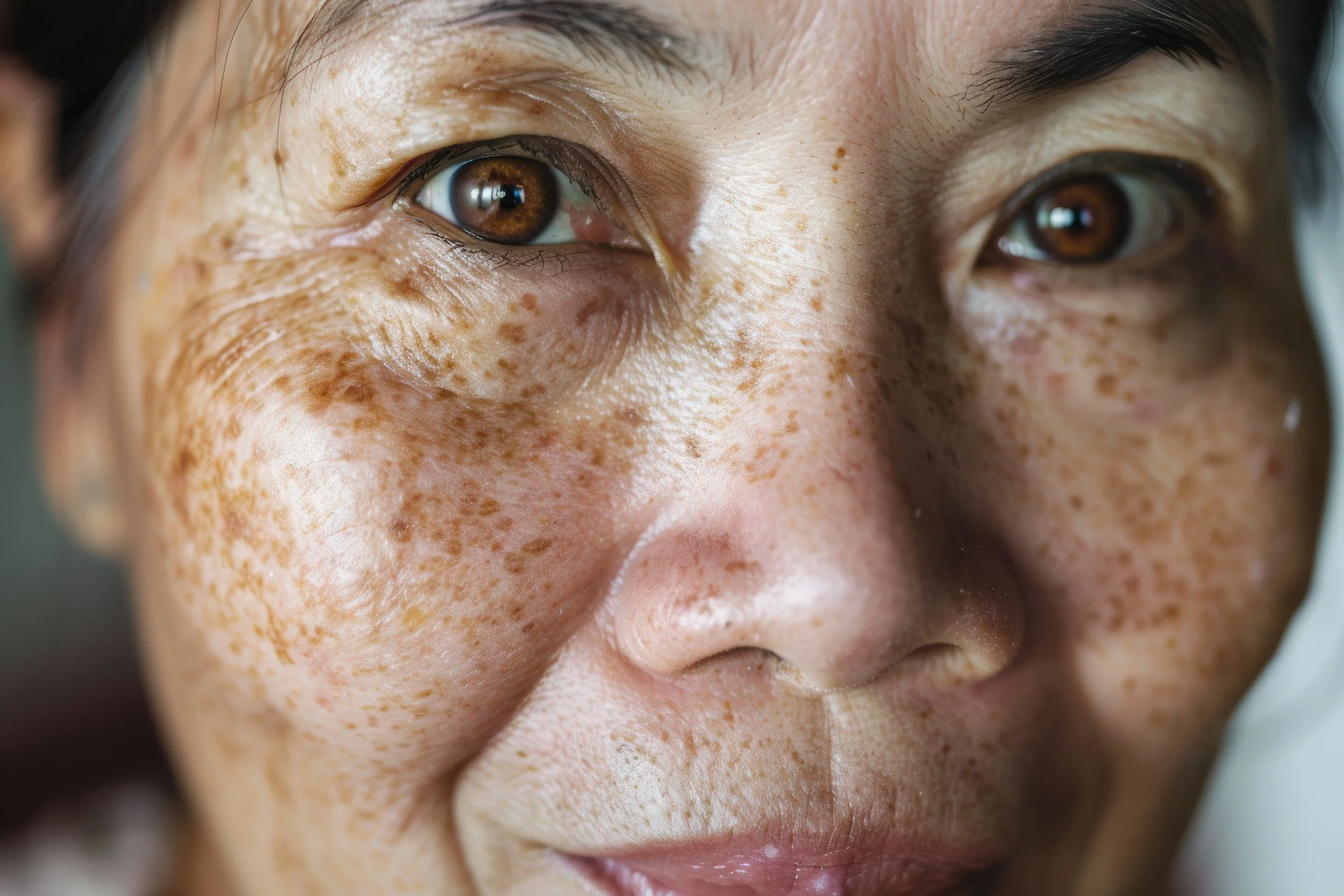
Suspicious moles may signal trouble if they change in size, shape, colour, or texture. Dermatologists use the “ABCDE” rule—Asymmetry, Border, Colour, Diameter, and Evolution—to assess risk. Regular self-checks and prompt evaluation help ensure early detection and peace of mind. Dermlab are skin cancer treatment and mole specialists in Hamilton, Waikato.
Sun Damage & Precancerous Spots
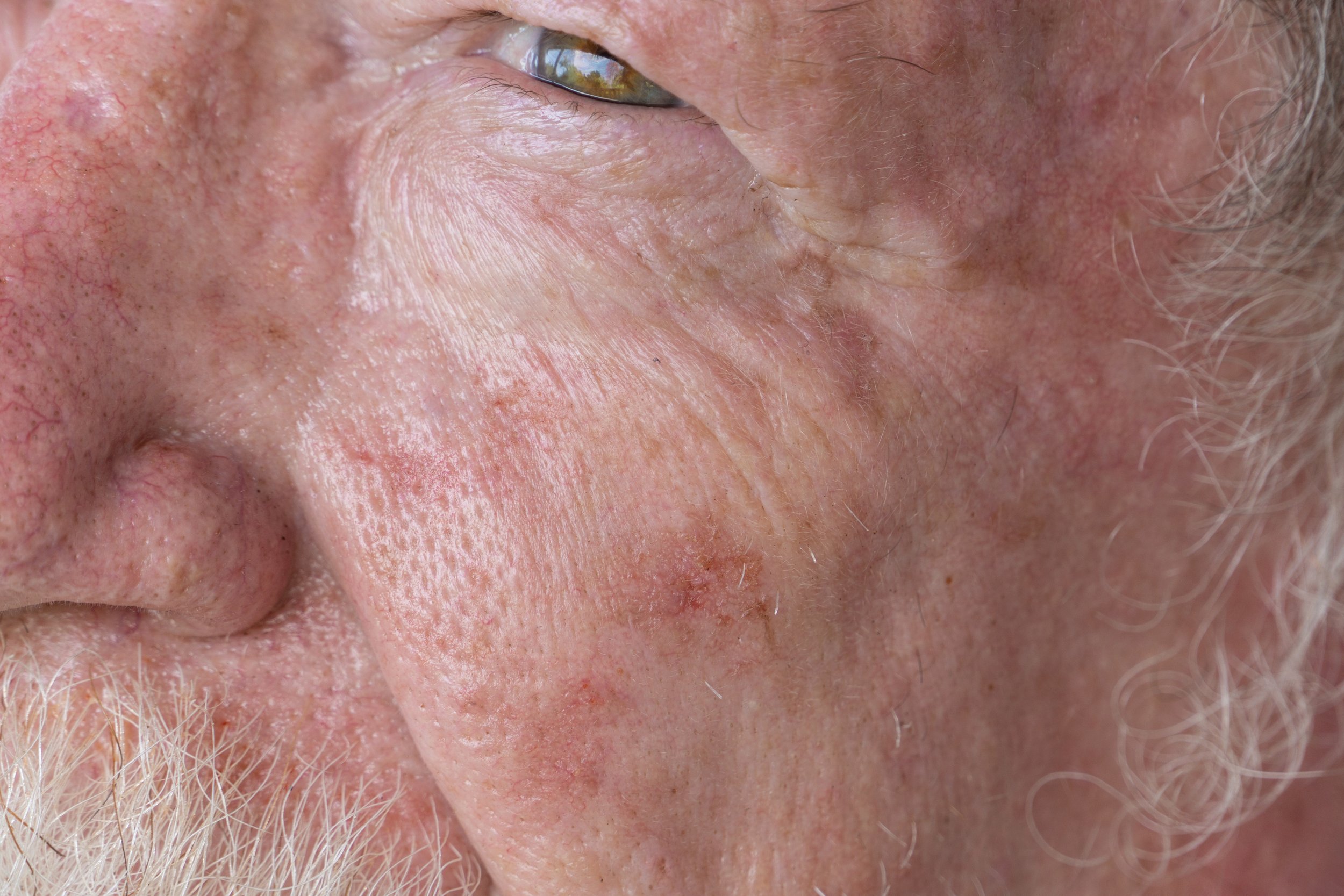
Years of sun exposure can cause wrinkles, uneven tone, and rough, scaly patches called actinic keratoses or sun spots. These precancerous lesions often form on the face, hands, and arms, and may develop into squamous cell carcinoma if untreated. Early treatment helps protect both skin health and appearance.
Melanoma Risk
Melanoma is an aggressive skin cancer that can appear anywhere, even in low sun-exposed areas. Risk factors include UV exposure, fair skin, unusual moles, family history, and sunburns. Regular checks and sun protection are key to early detection.
Non-Melanoma Skin Cancers
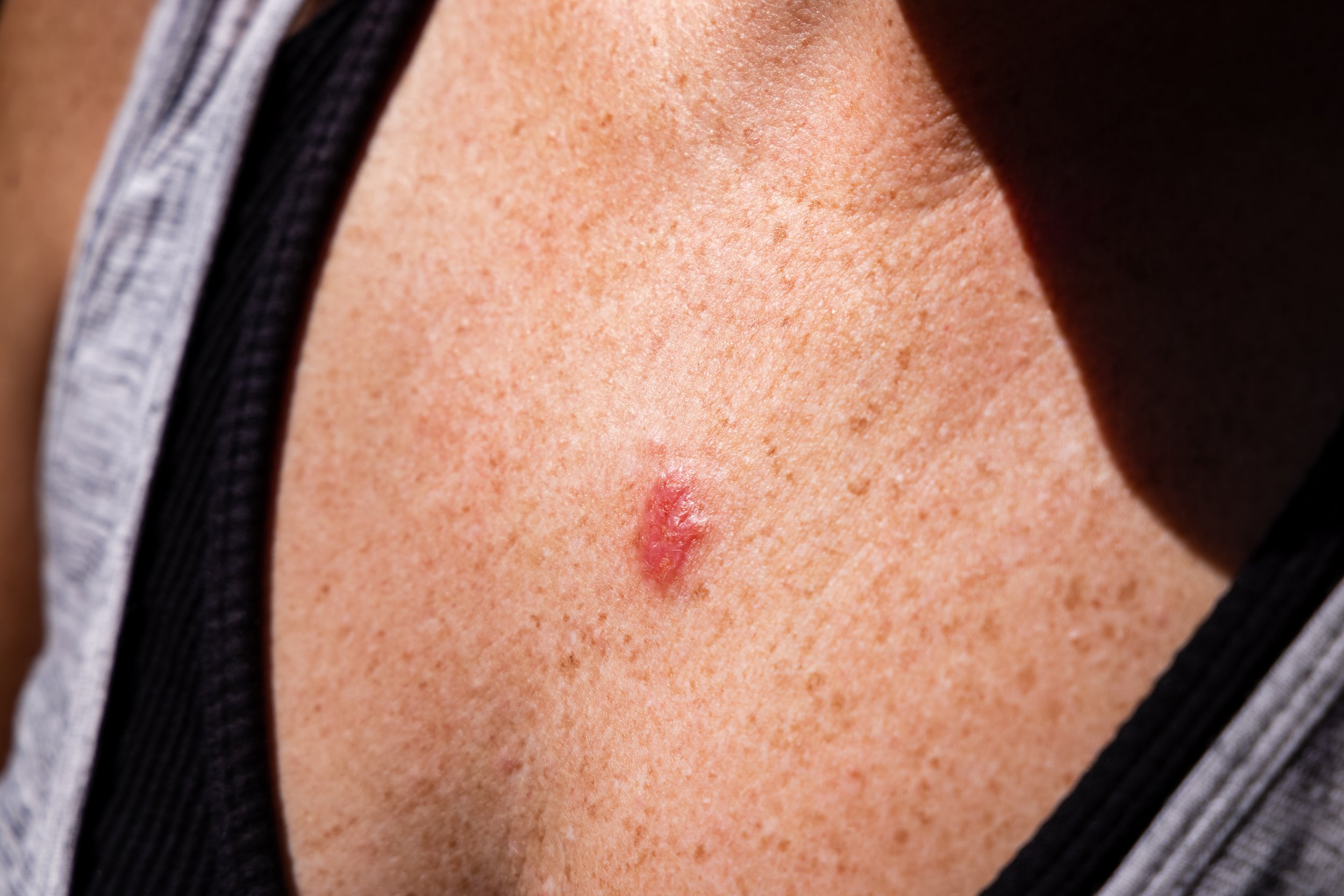
Non-melanoma skin cancers, including basal cell carcinoma (BCC) and squamous cell carcinoma (SCC), are usually linked to long-term UV exposure. BCC appears as pearly or scaly spots, while SCC shows as firm or rough patches. Both require prompt treatment to prevent damage.
Request a Consultation
We know skin, and want you to be comfortable in yours. Let’s discuss your concerns and how to reclaim health and confidence. Please select one of our clinics below and fill our a consultation form.